
Starting a new skincare protocol is exciting, and occasionally confusing. Your skin doesn't transform overnight. It recalibrates gradually, shifting in response to consistent care. Knowing what to expect during the first month makes it far easier to stay the course instead of abandoning the routine at the first sign of change.
Here's what typically happens during the first 30 days on the Zero Lines Protocol.
Days 1–7: Adjustment
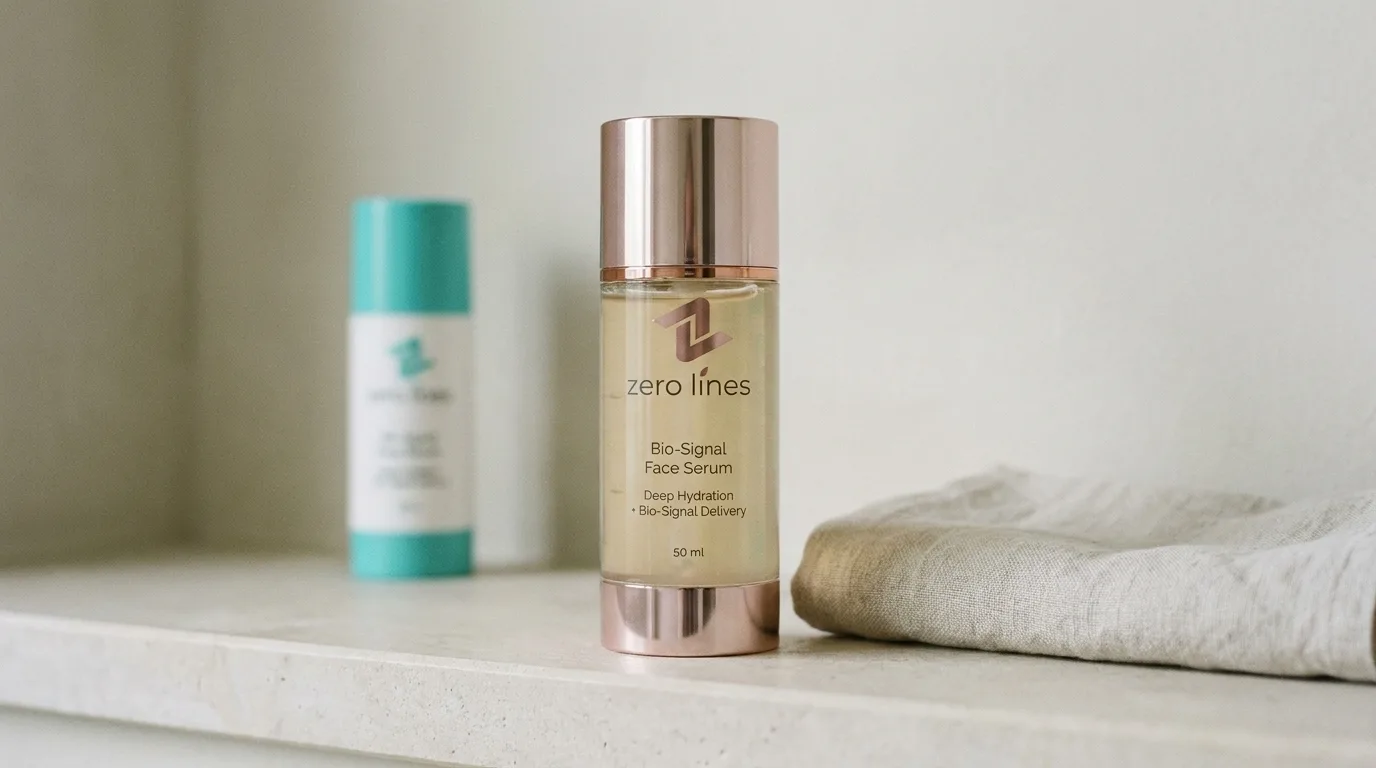
The first week is about your skin getting used to new ingredients and a new order of application. Some people notice mild tingling the first few times they apply the Bio-Signal Face Serum. That's the mineral water and active compounds interacting with slightly compromised areas of the barrier. It typically settles within a few minutes and disappears entirely after 3–4 days.
You might also notice:
- Slightly increased oil production as the skin recalibrates sebum regulation
- A brief period of minor congestion as deep impurities are drawn to the surface
- Changes in how makeup sits on your skin — the new hydration balance affects texture
These are all normal and temporary. Don't add new products or increase frequency in response. Consistency is the goal.
Days 8–14: The Hydration Shift
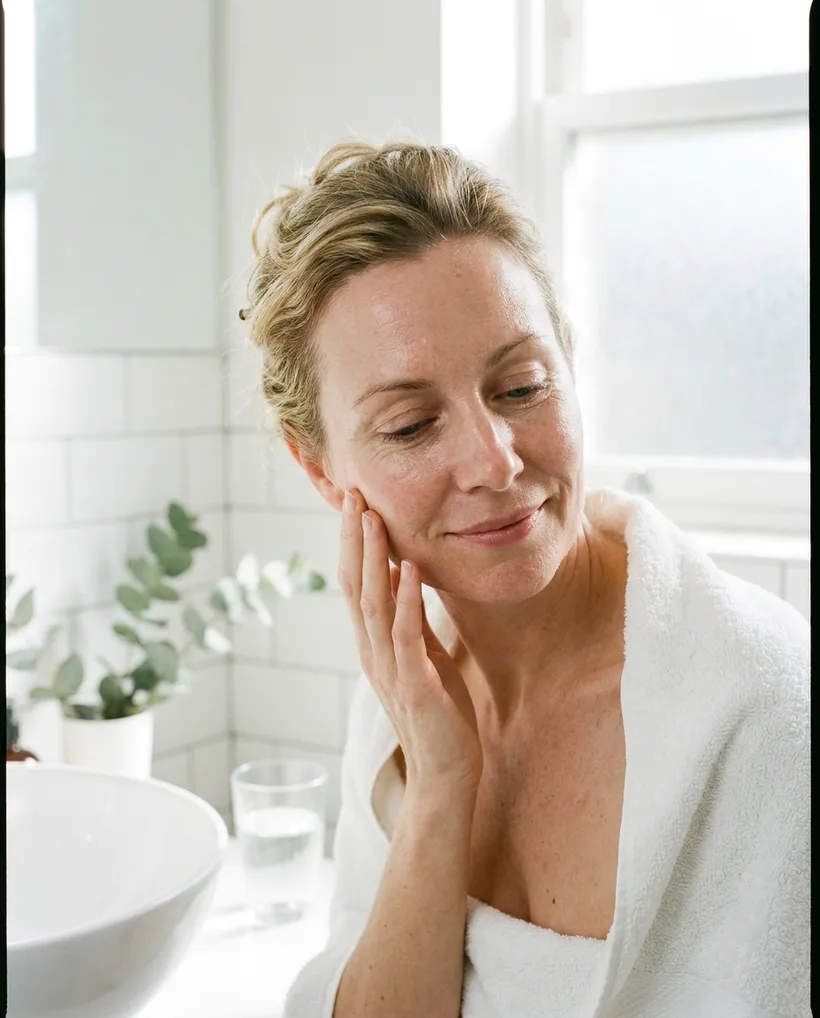
By the second week, most people notice a significant change in hydration. The combination of Pyrenean mineral water, glycerin, and barrier-supporting lipids begins to restore the skin's water balance. Signs include:
- Skin that feels softer to the touch, even before applying moisturiser
- Reduced tightness after cleansing
- Foundation or concealer sitting more smoothly
- Fine lines that look less obvious, as dehydration creases soften with restored moisture
This is often the first visible improvement, and it's what hooks people on the protocol. But it's only the beginning.
Days 15–21: Texture Improvement
Days 1–7 are adjustment. A brief tingle on the first applications, slightly different oil balance, make-up sitting differently. Normal, temporary, and not a reason to add anything else.
By week three, the weekly Bio-Renewal Peeling Gel has had 2–3 applications. Dead skin cells are clearing more efficiently. The skin's surface becomes smoother, more reflective, and more even in tone. There's a reason the gel is weekly rather than daily: weekly exfoliation outperforms daily scrubs because it renews the surface without wearing down the barrier.
You might notice:
- A subtle "glow" — increased light reflection from a smoother surface
- Reduced roughness on the forehead, nose, and chin
- Pores that appear smaller (they're not actually shrinking, but they're less clogged)
- More even product absorption — your moisturiser sinks in more readily
Days 22–30: Foundation Set
By the end of the first month, your skin has adapted to the protocol. The barrier is stronger. Hydration is more stable. Cellular turnover has normalised. From here, the longer-term benefits can begin to emerge.
What to look for:
- Reduced reactivity — products that once stung no longer do
- More consistent skin day-to-day, fewer random breakouts or dry patches
- Subtle firming along the jawline and cheekbones
- A general sense that your skin looks "healthier" — hard to quantify but unmistakable
What If You Don't See Results?
Not everyone experiences dramatic changes in 30 days. Factors that affect the timeline:
- Age: Younger skin turns over faster and responds more quickly.
- Baseline condition: Very damaged skin and very healthy skin both show slower visible change than skin in the middle.
- Consistency: Missing applications, skipping steps, or introducing other products slows progress.
- Lifestyle: Poor sleep, high stress, or inadequate hydration can counteract skincare benefits.
The 30-day mark is a checkpoint, not a deadline. Continue for 60–90 days before making judgements about effectiveness.
How to Introduce New Skincare Products
If you're starting the full Zero Lines Protocol, we recommend this gradual introduction:
- Weeks 1–2: Serum + Day Cream only
- Weeks 3–4: Add Night Cream
- Weeks 5–6: Add Line Corrector
- Week 7 onwards: Add Peeling Gel (1x weekly)
This gradual approach minimises the risk of overwhelming your barrier and gives your skin time to adapt to each new element.
Why the First 30 Days Matter
The skin's response to a new routine follows a predictable arc. Days 1–7 are dominated by surface changes: improved hydration, smoother texture, better product absorption. Between days 8 and 21, the actives begin influencing cellular behaviour, from collagen signalling to antioxidant defence and barrier repair. Days 22–30 are when the cumulative effects become visible. Tone evens out. Dullness lifts. The first signs of structural improvement appear.
This timeline varies by age. Younger skin (under 30) responds faster because cellular turnover is quicker. Mature skin (over 50) takes longer to show visible change, but often changes more dramatically once the process begins, simply because the starting point leaves more room to improve.
Common First-Month Skincare Mistakes
The most common mistake is introducing too many new products at once. If your skin then flares up with redness or a breakout, you won't know which product caused it. We recommend introducing one new product every 3–4 days, starting with the cleanser and building up to the more active formulations.
Another is expecting immediate results. Peptides work by signalling cellular repair, a process that takes weeks to show on the surface. Antioxidants prevent future damage more than they reverse past damage. Consistency matters more than intensity.
The third mistake is treating sun protection as optional. UV exposure works directly against the repair your routine is trying to support, so daily SPF belongs in the protocol from day one, not just on beach days.
"The first 30 days aren't about transformation. They're about building the foundation that makes transformation possible in months two, three, and beyond."
— Zero Lines Formulation Team
Track Your 30-Day Progress
The Zero Lines analyser reads texture, tone and hydration from one photograph and writes out what it sees. Run it before you begin, and again whenever you want a second reading.
Start My AnalysisRelated Reading


The Skin Analysis
See your skin as we see it
Free. Sixteen questions, one photograph, and an address to send it to. A written assessment across eight markers, and the protocol that follows from it — no account, no payment, about four minutes.
Begin the free analysis
Explore Zero Lines
Start your protocol with the core three: Bio-Signal Face Serum, Environmental Shield Day Cream, and Renewal and Repair Night Cream.