
Zero Lines operates across three distinct climate zones: the Mediterranean humidity of Barcelona and Marbella, the coastal salt air of Gibraltar, and the alpine dryness of Andorra. Each asks something different of your skin. The same routine won't perform identically in all three.
Humid Climate Skincare: Barcelona & Marbella
Relative humidity in Barcelona averages 70% year-round, rising to 80% in summer. In Marbella, coastal proximity keeps humidity consistently high. That sounds like good news for skin, and in some ways it is. High humidity reduces trans-epidermal water loss, meaning skin stays hydrated more easily.
But high humidity also means:
- Increased sebum production: Humid air triggers sebaceous glands to produce more oil, leading to congestion and enlarged pores
- Slower natural exfoliation: Dead skin cells don't shed as readily in humid conditions, creating a dull surface
- Higher fungal and bacterial load: Warm, moist environments support microbial growth, increasing breakout risk
In humid climates, lightweight hydration and consistent gentle exfoliation are key. Heavy occlusive creams can feel suffocating and exacerbate oiliness. Our Bio-Signal Face Serum and Environmental Shield Day Cream are formulated to hydrate without heaviness, which is exactly what a Mediterranean summer calls for.
What Salt Air Does to Skin: Gibraltar
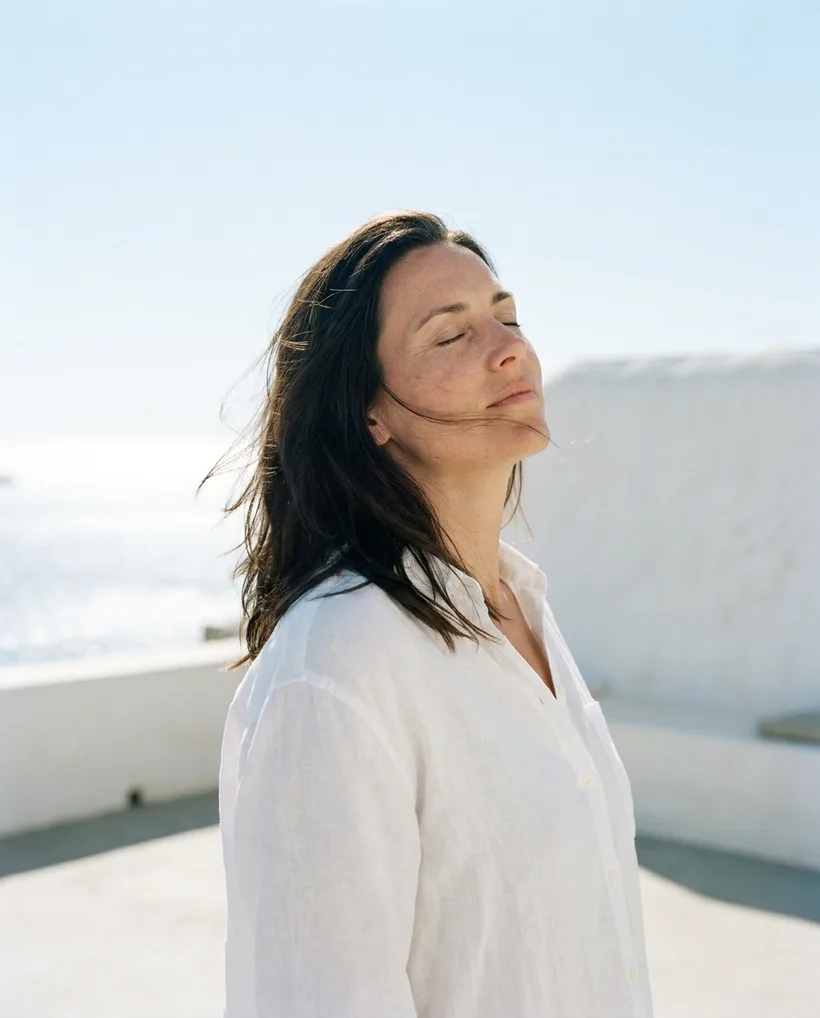
Gibraltar is a peninsula with sea on three sides, so the breeze carries salt all year round. Salt is hygroscopic: it draws moisture from whatever it touches. On skin, that means accelerated dehydration, even when the air feels humid.
Salt is not the only pressure. The constant breeze strips away surface lipids faster than the skin can replace them, and the sea reflects up to 10% of UV radiation back at you, adding to the dose arriving from the sky. The Rock itself creates microclimates, so skin crosses several rapid temperature swings in an ordinary day.
For coastal climates, barrier protection is paramount. Richer creams, more frequent reapplication, and stronger UV defence are necessary. Our Renewal and Repair Night Cream provides the lipid replenishment that salt air strips away.
High-Altitude Skincare: Andorra
At 1,800 metres, Andorra's air is thin, cold, and dry. Humidity can drop below 30% in winter. The combination of low humidity, cold temperatures, and intense UV (UV increases approximately 10% per 1,000 metres of altitude) creates a uniquely challenging environment.
Alpine conditions cause:
- Rapid dehydration: Low humidity pulls moisture from skin within minutes
- Barrier compromise: Cold temperatures reduce lipid fluidity, weakening the barrier
- Intense UV damage: Higher altitude means less atmospheric filtering of UVB
In alpine environments, occlusive protection and frequent rehydration are essential. The mineral water base in our formulations is particularly beneficial here: the magnesium and calcium support barrier repair in conditions that actively damage it.
How Seasons Change Your Skincare Needs
Even within one location, seasonal changes alter skincare needs. Summer in Barcelona requires lighter textures and stronger UV protection. Winter in the same city demands richer moisturisers and more barrier support. A good skincare routine adapts to these shifts.
The Zero Lines skin analysis asks about your local climate specifically because it matters. Someone in humid Singapore needs a different protocol emphasis than someone in dry Denver, even with the same skin type.
How to Adapt Your Skincare Routine for Travel
Travel disrupts skin in predictable ways. Aircraft cabins hold humidity at 10–20%, which dehydrates skin fast whatever your destination. Jet lag interferes with circadian repair cycles. A new water hardness changes how well your cleanser rinses. And travel stress raises cortisol, which impairs barrier function.
When travelling between climates, pack adaptively: a richer moisturiser for alpine or desert destinations, a lighter serum for humid locations, and always a dedicated SPF regardless of where you're going. Our Travel Set includes minis of all six protocol steps, sized for carry-on compliance and formulated to perform across climate zones.
Can One Formulation Work in Every Climate?
Creating skincare that performs across climates is harder than it sounds. A cream that's perfect for Barcelona's humidity can feel greasy in Andorra's dryness. A serum that absorbs cleanly in Gibraltar's salt air might pill on a humid Barcelona evening.
We solve this with biomimetic formulation: textures that respond to what the skin needs rather than what the environment demands. Our serums use hyaluronic acid in multiple molecular weights to hydrate surface and deeper layers regardless of ambient humidity. Our creams employ ceramide complexes that reinforce the barrier from within, so they hold up against salt air and alpine wind alike.
These zones aren't abstract to us. Our ingredients travel from Pyrenean spring to Barcelona lab, crossing alpine cold and Mediterranean humidity before a single jar is filled.
"The best skincare doesn't fight the climate. It gives your skin the tools to handle whatever the climate throws at it."
— Zero Lines Formulation Team
How to Build a Climate-Adaptive Skincare Routine
A climate-adaptive routine doesn't mean new products every season. It means adjusting emphasis. The core stays the same: a gentle cleanser, a hydrating serum, a protective day cream, a reparative night cream. What changes is how you layer and supplement them.
In humid climates, you might skip the night cream in favour of a lighter serum, or use the peeling gel more frequently to prevent congestion. In dry climates, you might add a facial oil over your night cream, or mist with mineral water throughout the day. In coastal areas, you reapply barrier cream after wind exposure and use a higher SPF to compensate for reflected UV.
Your skin's needs change; its biology doesn't. Hydration, protection and repair are always required. Climate just changes the intensity, and which threat comes first.
Climate-Adaptive Skincare
The Zero Lines analyser asks what the weather is like where you live and how much sun your face sees, then builds the protocol around your answers.
Analyse Your SkinRelated Reading
The Skin Analysis
See your skin as we see it
Free. Sixteen questions, one photograph, and an address to send it to. A written assessment across eight markers, and the protocol that follows from it — no account, no payment, about four minutes.
Begin the free analysis
Explore Zero Lines
Build a climate-adaptive routine with the Bio-Signal Face Serum for lightweight hydration and the Environmental Shield Day Cream for daily environmental defence, worn beneath your SPF.